







Skip to Main Content Skip to Main Menu

Healing Stiffened Lungs

Pulmonary Fibrosis Treatment
at Pyunkang Korean Medicine Hospital

An Immune Disorder Where Lungs Harden
Due to Environmental or Genetic Factors

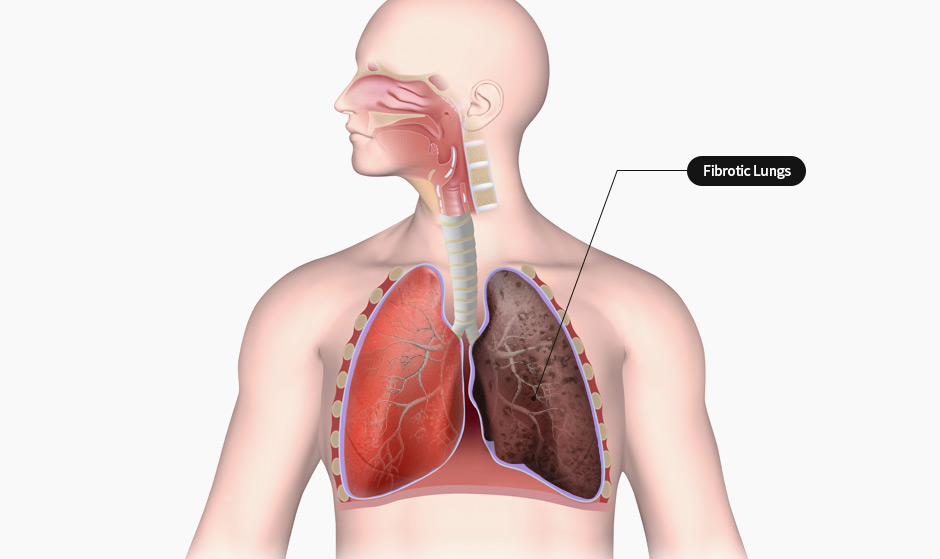
Pulmonary fibrosis is a condition where unknown inflammation occurs in lung tissue,
leaving scars that harden the lungs.

Pulmonary fibrosis refers to the transformation of normal soft lung tissue into scarred, stiff tissue that loses its function, hence the term "fibrosis." The exact cause is not fully understood, but recent research suggests it may be an autoimmune disease, with genetic factors also contributing to its development.

Once Fibrosis Develops, Recovery Is Difficult

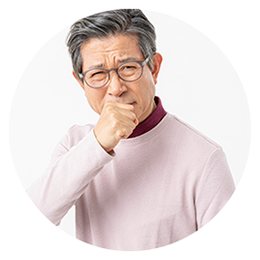
Common early symptoms of pulmonary fibrosis include dry cough and shortness of breath.
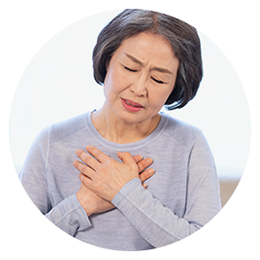
As the disease progresses, breathing difficulties worsen, and in advanced stages, the lungs may lose the ability to exchange
oxygen, which can be fatal.
The disease affects men and women equally, usually diagnosed between the ages of 40 and 70.
However, progression varies—some deteriorate quickly, while others worsen gradually over several years.

  • Early Stage
    1
    Dry Cough

    Inflammation in the alveoli (alveolitis)
    develops, leading to dry cough and early breathing difficulties.

  • Mid Stage
    2
    Shortness of Breath

    Alveoli are destroyed, scar tissue
    builds up, and stiffened lungs
    can no longer function properly.

  • Advanced Stage
    3
    Pulmonary Hypertension & Heart Failure

    Strain builds on the heart pumping blood to the lungs, leading to pulmonary hypertension and eventually heart failure.

Conventional Treatments and Side Effects

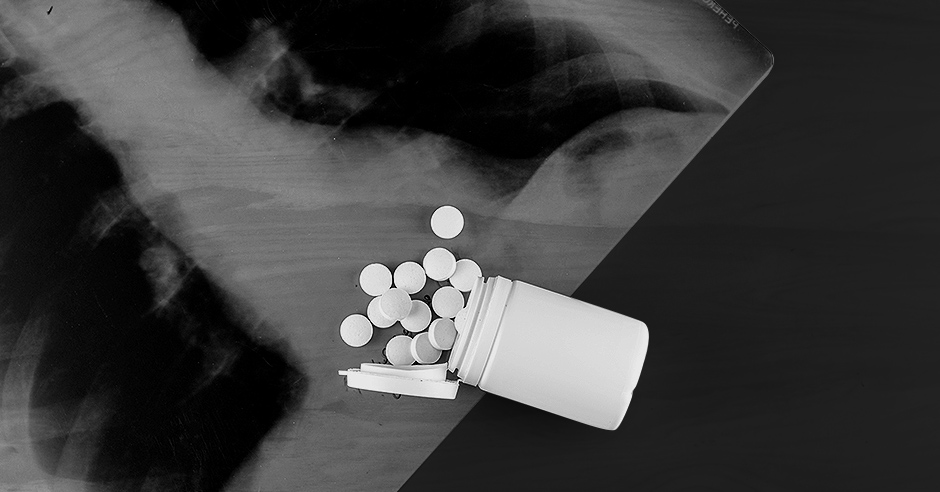
In conventional medicine, pulmonary fibrosis patients are often prescribed Prednisone and Cytoxan.

Prednisone, a corticosteroid, suppresses immune function and only about 25–35% of patients respond positively. Side effects may include depression, increased blood sugar, and osteoporosis. Suppressed immunity also increases vulnerability to infections. Cytoxan, another immunosuppressant originally used to prevent organ transplant rejection, may cause a drop in white blood cell count as a side effect.

Pyunkang Hospital begins with the principle that “the lung is the supreme organ.”

By strengthening the lungs, the tonsils—the body’s largest lymph node—are activated, thereby enhancing lymphocytes throughout the body, which forms the foundation for treating pulmonary fibrosis.

Pyunkang Hospital’s Fundamental Treatment

Strengthening lung function and boosting immunity with Pyunkang-tang

When lung health improves, heart function also improves naturally. Strengthened cardiopulmonary function supports kidney health. Improved lungs, heart, and kidneys give elasticity to blood vessels and help regulate blood pressure, aiding in the recovery of hardened lung tissue. Treatment typically requires more than 18 months.

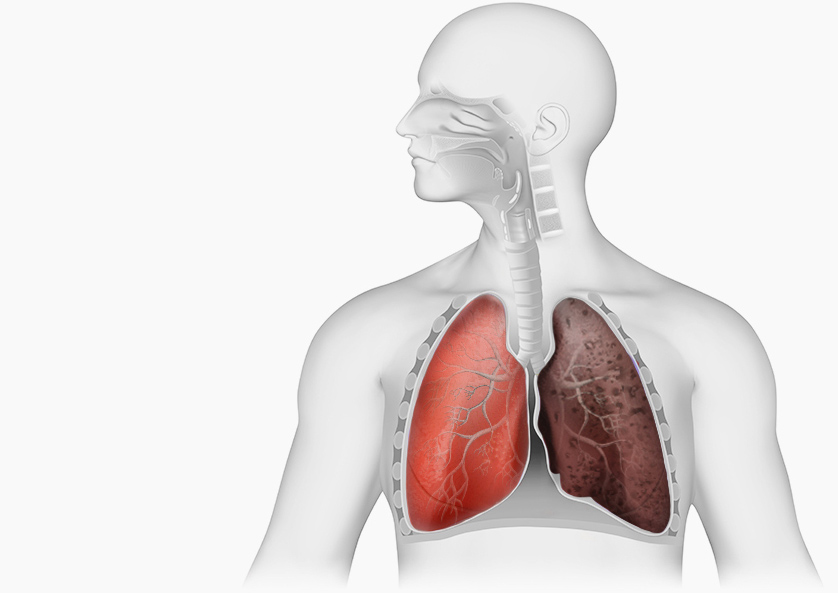
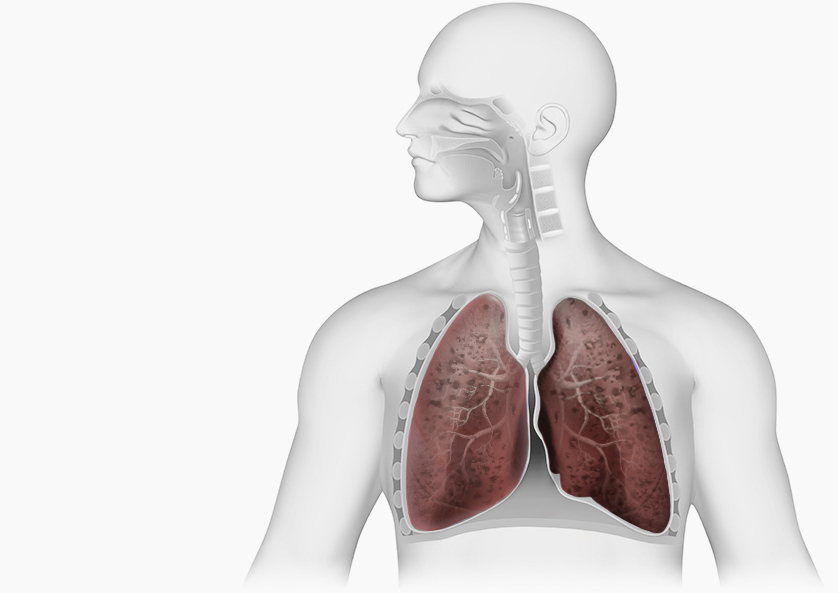
  • STEP 1

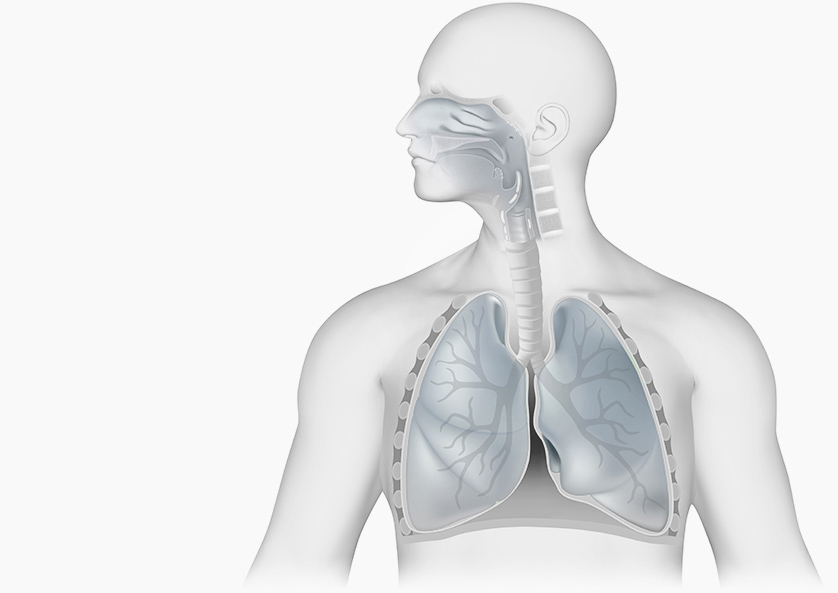
    Stiff, Fibrotic Lungs

  • STEP 1

    Stiff, Fibrotic Lungs

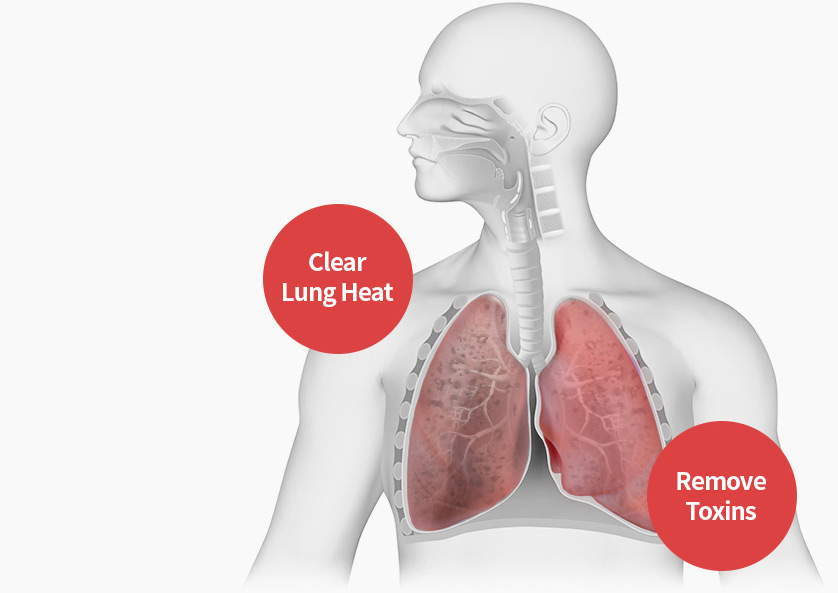
  • STEP 2

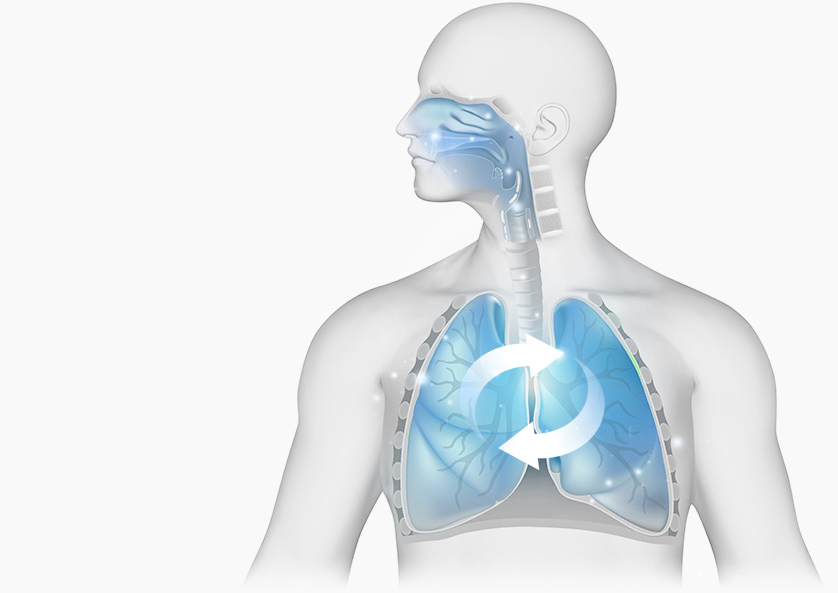
    Enhancing Lung Function
    & Immunity with Pyunkang-tang

  • STEP 2

    Enhancing Lung Function
    & Immunity with Pyunkang-tang

  • STEP 3

    Support lung function
    with Cheong-Pye (Lung-Cleansing)

  • STEP 3

    Support lung function
    with Cheong-Pye (Lung-Cleansing)

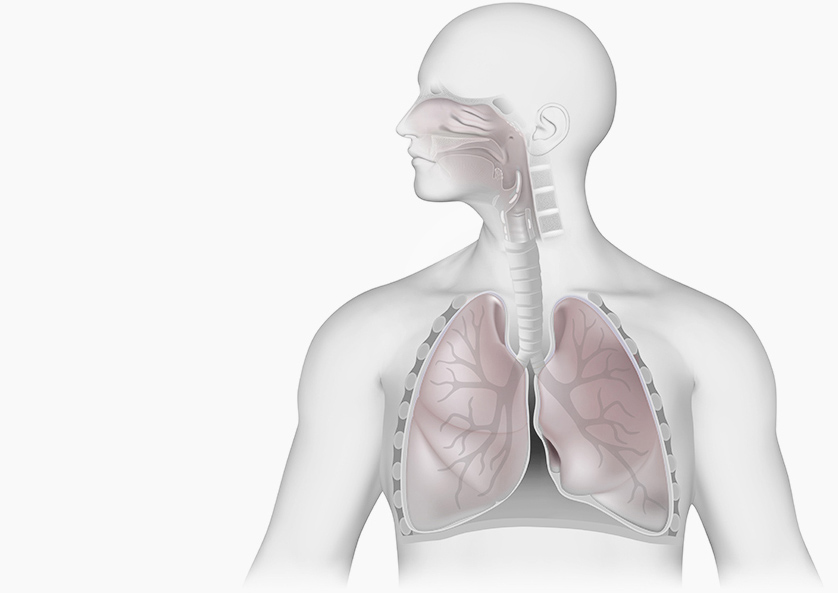
  • STEP 4

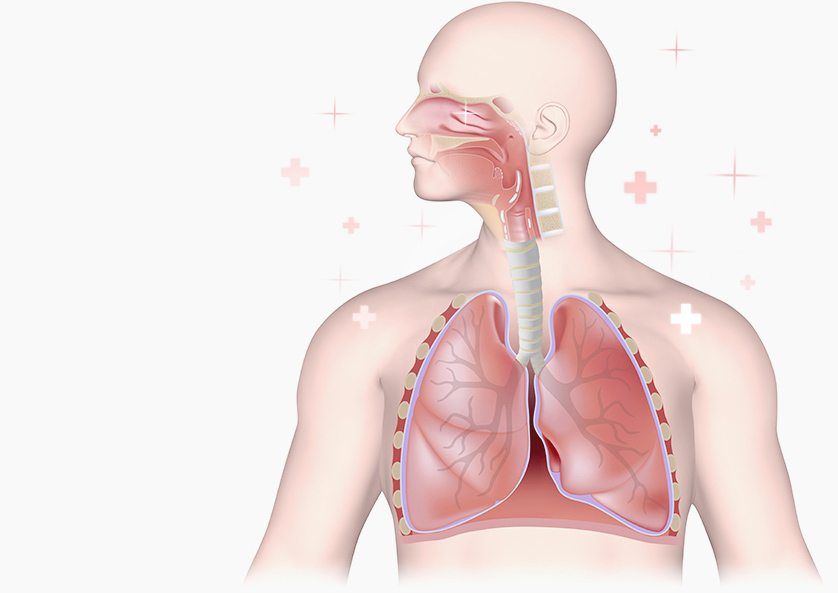
    Supports immune defenses
    Pulmonary Fibrosis Treatment

  • STEP 4

    Supports immune defenses
    Pulmonary Fibrosis Treatment

Reliable Pyunkang Hospital Pulmonary Fibrosis Treatment Outcomes

Proven Results of Pyunkang Medicine

Many patients have experienced Pyunkang Hospital’s detoxifying (lung-cleansing) therapy with the goal of achieving non-recurring treatment. Addressing the root cause is the only way to achieve long-lasting recovery.

  • *As of 2021
    Healing Without Relapse:
    Pyunkang

    Number of Intractable Lung Disease
    Patients Treated Over 50 Years

    0patients
  • *As of 2021
    Worth Recommending:
    Pyunkang

    1 in 2 patients visit through personal referrals

    Patients Referred
    by Acquaintances

    %

Pyunkang – ‘Pyun(扁)’ from tonsils, ‘Kang(康)’ for health

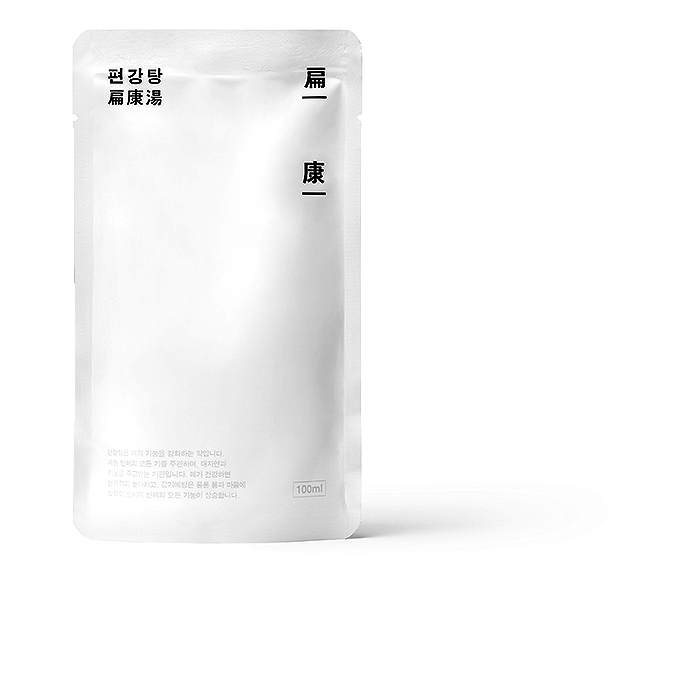
Pyunkang-tang, purifies the lungs

  • Pyunkang-tang has the same ingredients as Pyunkang-hwan.

    Pyunkang-tang, a world-recognized herbal remedy

    Pyunkang-tang, formulated based on the philosophy of 'cleansing the lungs (淸肺)', has shown excellent results for patients with various respiratory diseases and has been consistently loved for over 50 years.
    Its outstanding efficacy has been published in prestigious SCI-grade academic journals and is recognized in over 30 countries worldwide.
    It plays a vital role in promoting the excellence of Oriental medicine and Pyunkang medicine globally.
    View Details
  • Pyunkang-tang has the same ingredients as Pyunkang-hwan.

    Maximizes immunity and
    self-healing ability

    Pyunkang-tang maximizes the body's immune system and self-healing capacity to fundamentally treat diseases.
    It strengthens the energy of the lungs, which absorb the energy of nature, and fortifies the tonsils—key to immunity— enabling side-effect-free treatment of various respiratory and skin conditions.
    View Details
  • Pyunkang-tang has the same ingredients as Pyunkang-hwan.

    Activates lung function

    Pyunkang-tang activates the lungs, which govern all energy in the body, strengthening the entire respiratory system to prevent colds and tonsillitis, eliminate rhinitis and asthma, and treat chronic conditions like atopic dermatitis.
    View Details
  • Pyunkang-tang has the same ingredients as Pyunkang-hwan.

    Improves allergic constitution to normal

    Pyunkang-tang improves allergic constitutions that react even to small allergens into a normal constitution, helping prevent colds and making the body resilient to allergens that cause rhinitis, asthma, and atopy—also known as the
    "allergy march.
    View Details

Pyunkang-tang extract, caused by air pollutants,

reduces excessive secretion of inflammatory respiratory sputum and

relieves bleomycin (BLM)-induced pulmonary fibrosis

/ Director Hyo-Seok Seo, Professor Choong-Jae Lee, Chungnam National University College of Medicine, Professor Hyun-Jae Lee, Sahmyook University

Bleomycin (BLM): A substance that causes lung damage or pulmonary fibrosis

Pyunkang-tang(hwan) extract: Composed of 6 ingredients including honeysuckle flower,
liriope, codonopsis, xanthium, arborvitae, and prepared rehmannia root

SCI: Abbreviation for Science Citation Index;
SCI journal registration proves global academic recognition

Global SCI-Level International Journal JTCM

Pyunkang-tang(hwan) extract

may alleviate respiratory diseases
and pulmonary fibrosis effectively.

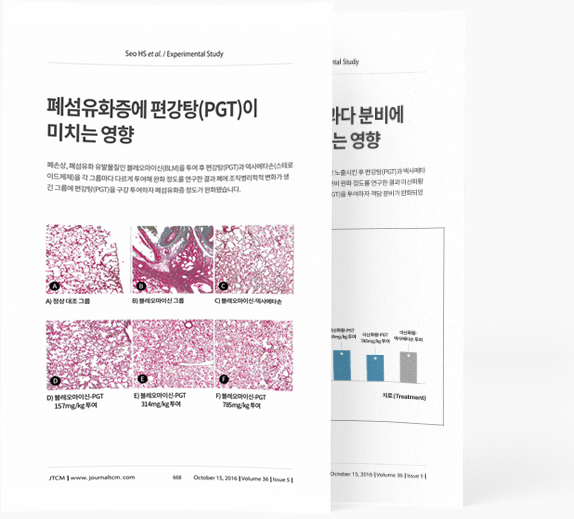
A research paper on Pyunkang-tang(hwan) was published in the October 2016
issue of the SCI-level international journal JTCM, receiving scientific recognition.

The study showed that hardened lung tissue improved after taking
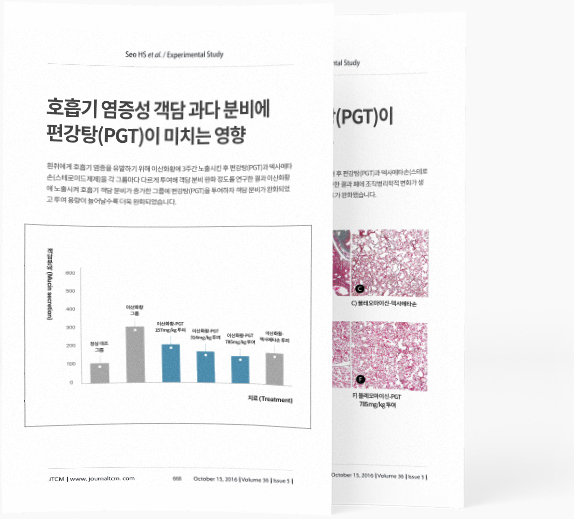
Pyunkang-tang(hwan) extract, and that rats exposed to sulfur dioxide,
which caused increased sputum production, showed reduced sputum
secretion after administration of the extract.

Effects of Pyunkang-tang (PGT)
on Pulmonary Fibrosis

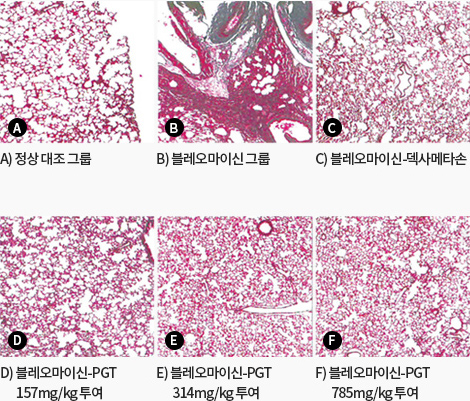
After administering bleomycin (BLM), a substance that causes lung injury and pulmonary fibrosis, each group was treated differently with Pyunkang-tang (PGT) and dexamethasone (a steroid drug).
The study showed that in the group with histopathological changes in the lungs, oral administration of Pyunkang-tang (PGT) alleviated the severity of pulmonary fibrosis.

Effects of Pyunkang-tang (PGT) on
Excessive Inflammatory Respiratory Sputum Secretion

After administering bleomycin (BLM), a substance that causes lung injury and pulmonary fibrosis, each group was treated differently with Pyunkang-tang (PGT) and dexamethasone (a steroid drug).
The study showed that in the group with histopathological changes in the lungs, oral administration of Pyunkang-tang (PGT) alleviated the severity of pulmonary fibrosis.

Better Together with Herbal Medicine

Lifestyle habits that maximize treatment effectiveness

Aerobic Exercise

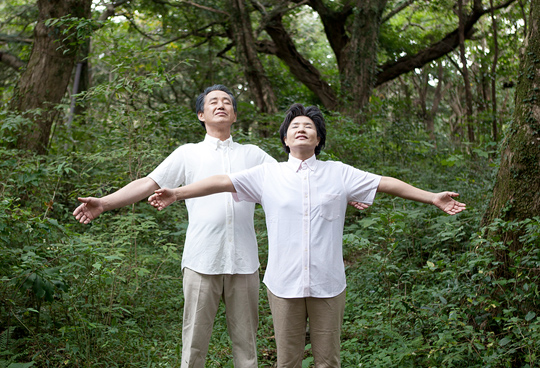
Light activities such as walking or strolling in fresh air help strengthen
lung function. A stronger lung boosts lymphocyte activity from the tonsils,
which in turn reinforces the respiratory system and lungs for both
prevention and recovery.

Maintain a Healthy Weight

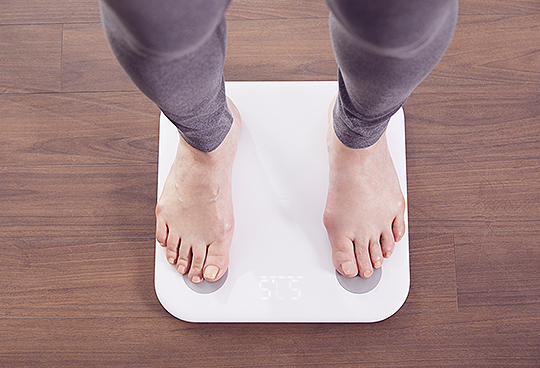
Since pulmonary fibrosis develops gradually over time, it is important
to maintain a proper weight—avoiding being overly thin—to support
overall resilience and healing.

No Smoking

Quitting smoking is essential. Worrying about lung health while smoking
is like diving into the sea in winter but worrying about getting wet.
Secondhand smoke also causes serious harm to those around you.