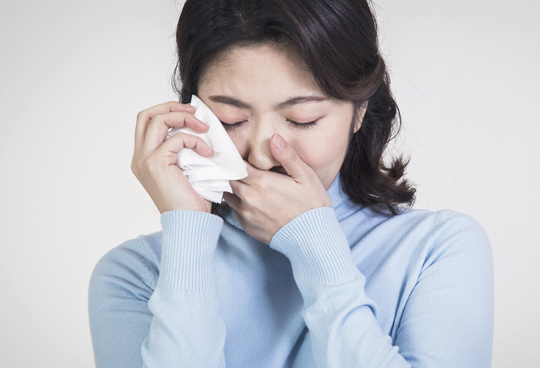
Nasal Care
Reduce environmental irritants to the nose and avoid blowing
your nose too hard, which may cause further irritation.
Clear Nasal Passages,
Treating Postnasal Drip at Pyunkang
Postnasal drip syndrome refers to the condition where excess mucus flows down the throat, often linked to rhinitis, sinusitis, or nasopharyngitis.
Symptoms include throat irritation, nasal congestion, cough, and constant mucus sensation. It can be triggered by colds, hormonal changes, cold weather, smoking, or stress.
Thickened mucus due to allergies, nasal inflammation, or low humidity also contributes.
GERD and chronic rhinitis are additional causes. Postnasal drip accounts for about 40% of chronic cough cases
and can sometimes cause swelling in the tonsils and surrounding tissues.
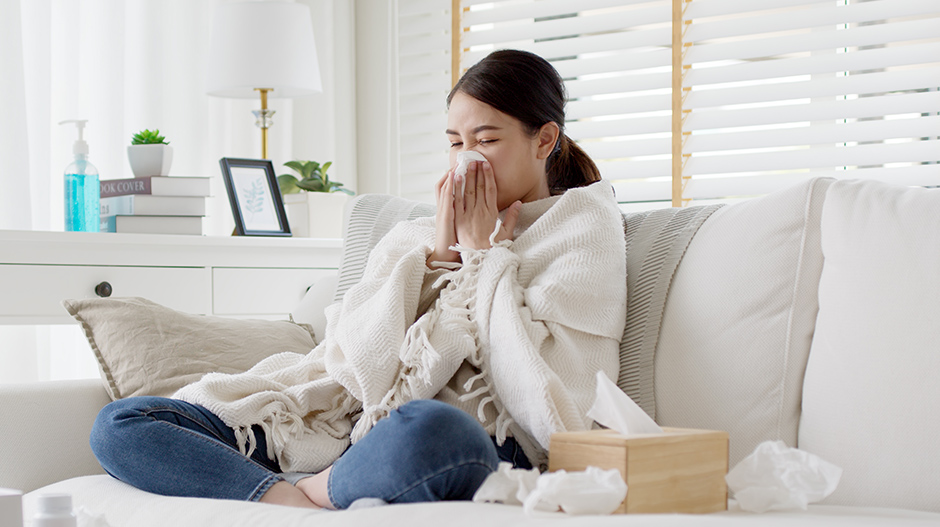
Common symptoms include nasal congestion, a sensation of mucus dripping down the throat, or a foreign body feeling.
As the nasal discharge drips, it can trigger coughing, often worsening when lying down, making symptoms more severe during sleep or early morning.
When accompanied by sinusitis, runny nose is also present.
Since the mucus is protein-rich, it becomes a food source for anaerobic bacteria in the mouth, which can lead to bad breath.

As with all illnesses, treating only the symptoms is not enough. For example, simply clearing away mucus does not resolve
postnasal drip. The key is to strengthen the weakened tonsils, which are the root cause of the condition.
By strengthening the tonsils, healthy lymphocytes are produced, which actively perform phagocytosis to clear mucus and boost immunity.
This approach not only addresses postnasal drip syndrome but also helps fundamentally prevent and treat various respiratory diseases.
STEP 1
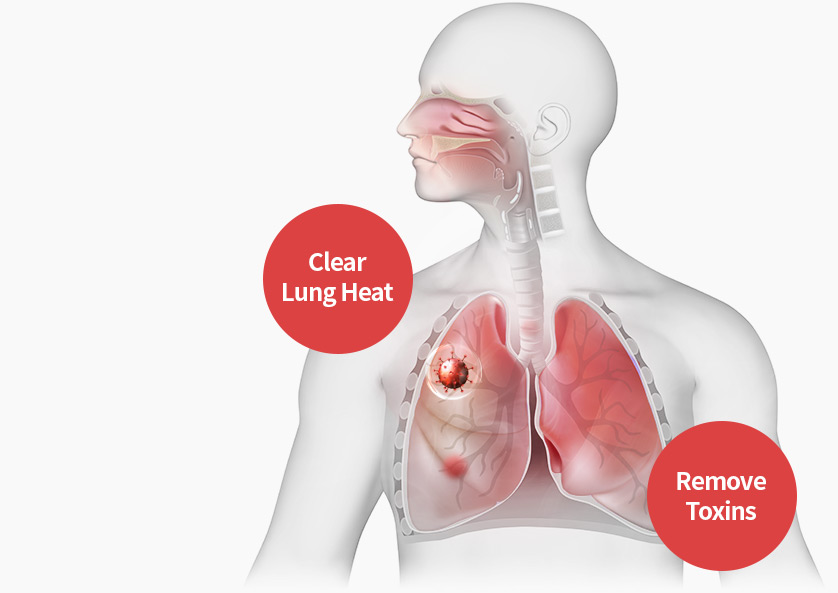
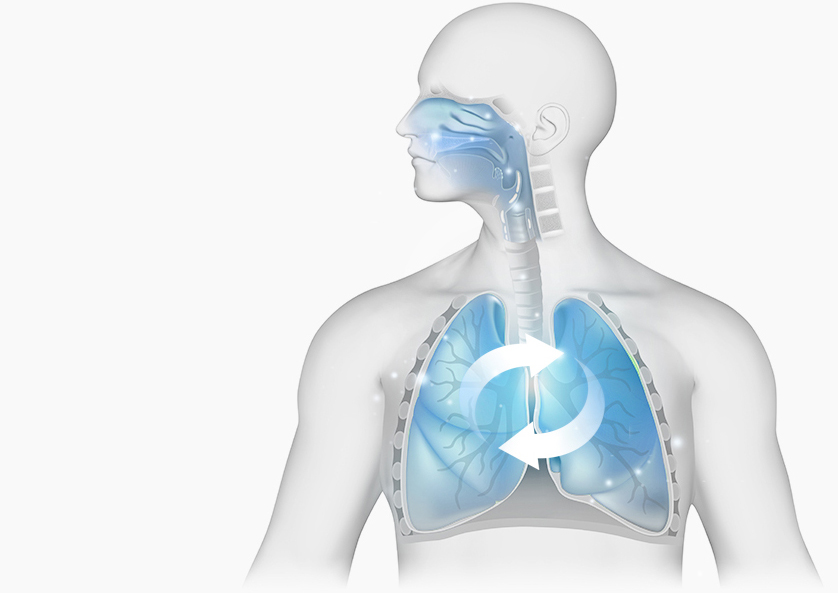
Weakened lungs & tonsils
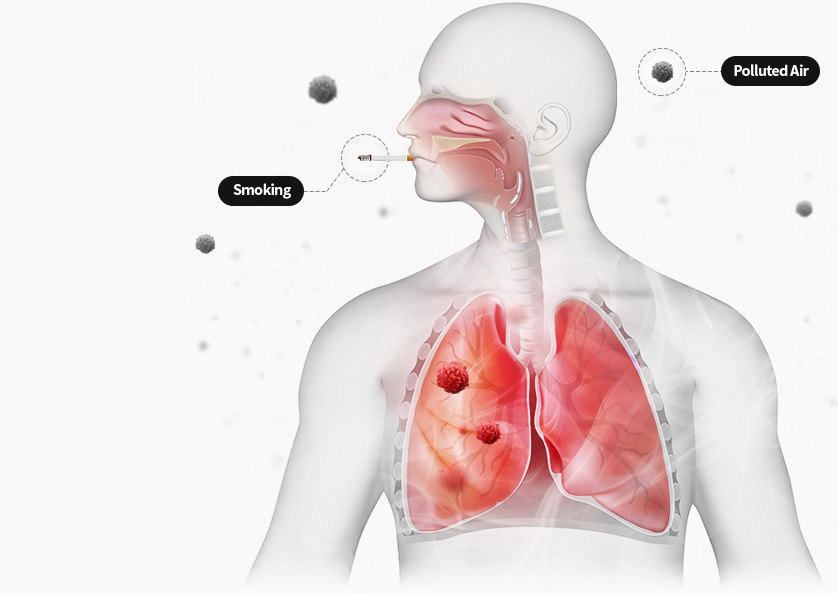
STEP 1
Weakened lungs & tonsils
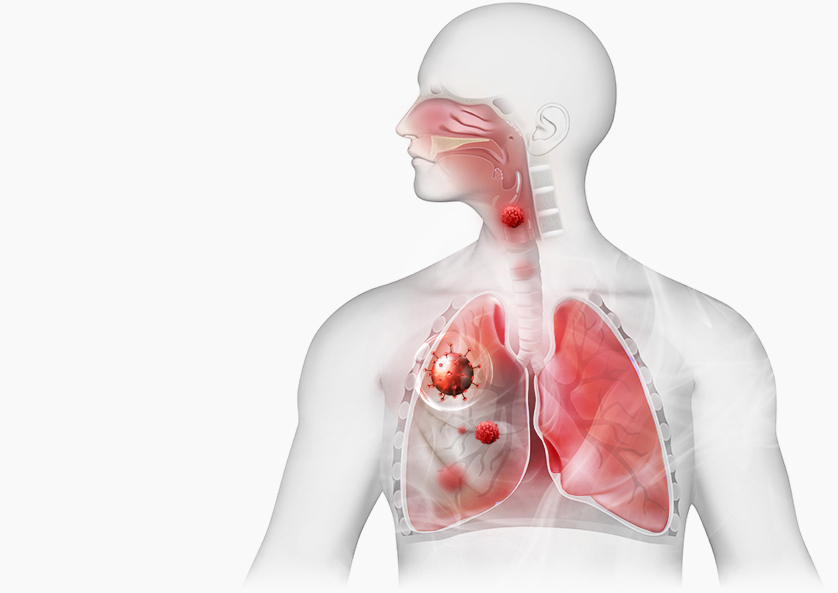
STEP 2
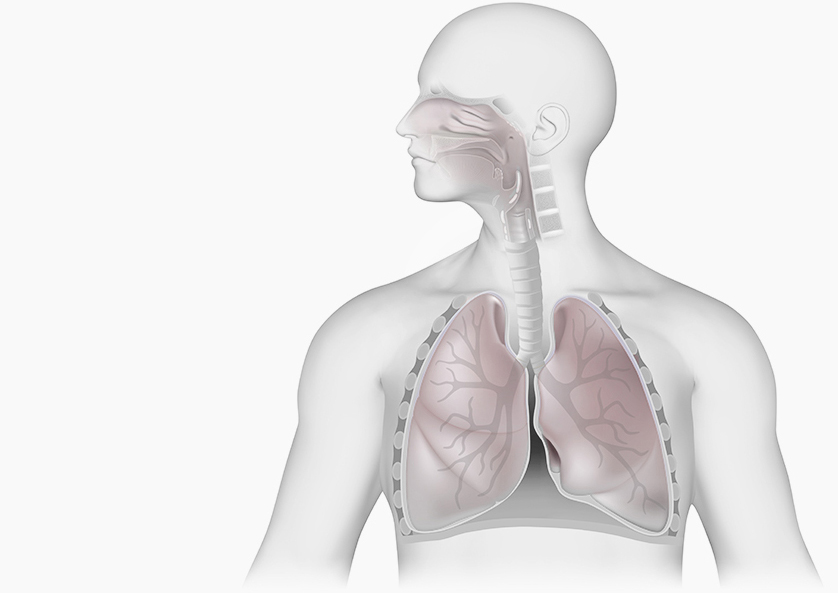
Enhancing Lung Function
& Immunity with Pyunkang-tang
STEP 2
Enhancing Lung Function
& Immunity with Pyunkang-tang
STEP 3
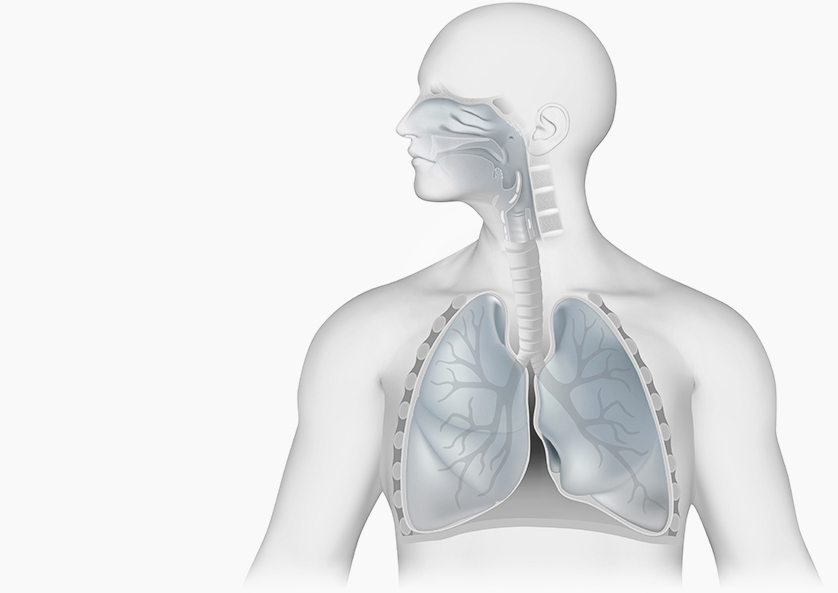
Support lung function
with Cheong-Pye (Lung-Cleansing)
STEP 3
Support lung function
with Cheong-Pye (Lung-Cleansing)
STEP 4
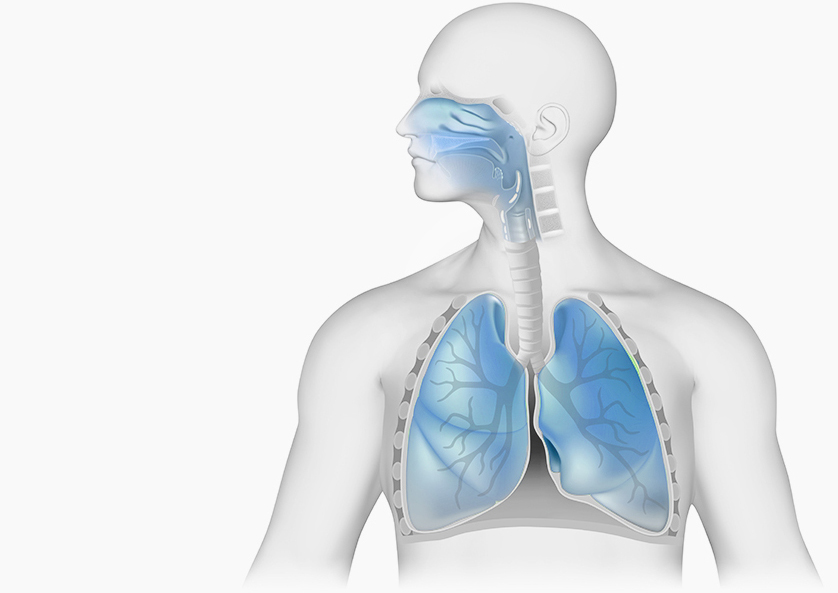
Enhanced Immunity,
Resistance, and Body Balance
STEP 4
Enhanced Immunity,
Resistance, and Body Balance
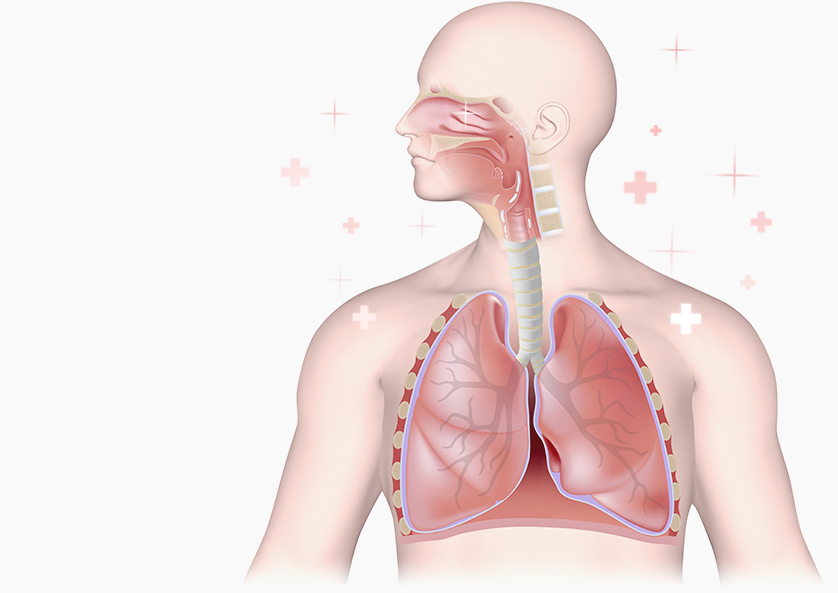
The nose is the first gateway to the lungs and functions as a supportive organ for breathing. When the lungs fail to
properly release accumulated heat and toxins, conditions such as postnasal drip develop. By strengthening lung
function with Pyunkang-tang, immunity is enhanced to fundamentally prevent and treat postnasal drip and
other respiratory conditions.
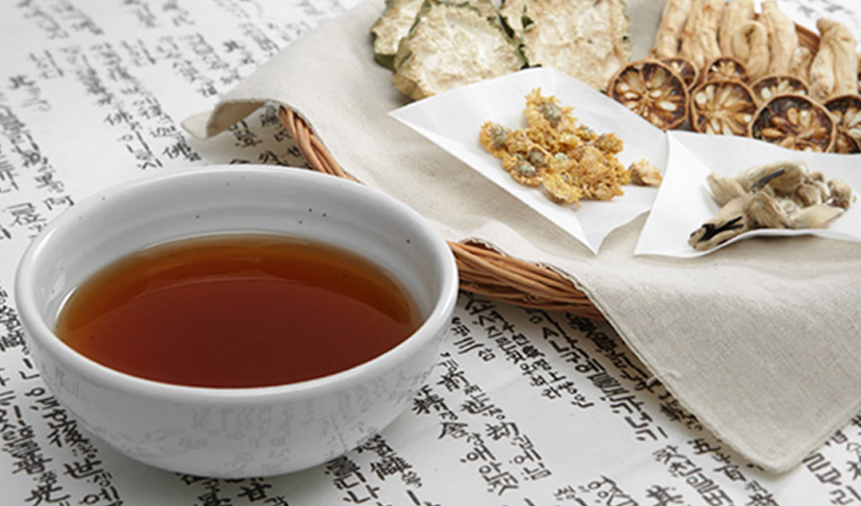
Many patients have experienced Pyunkang Hospital’s lung-cleansing (淸肺) therapy, which aims for long-term relief
without recurrence. By addressing the root cause, true and lasting treatment becomes possible.
Number of Intractable Lung Disease Patients Treated Over 50 Years






1 in 2 patients visit through referrals
Patients Referred
by Acquaintances
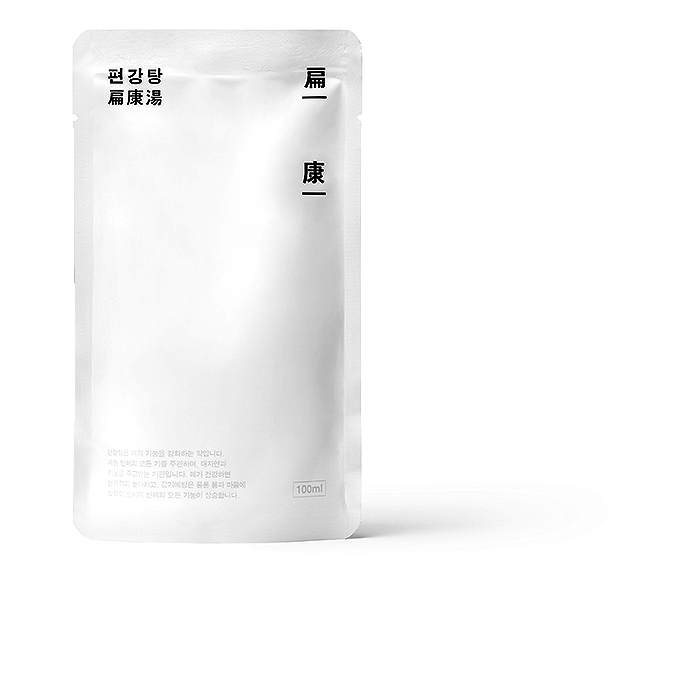
Pyunkang-tang has the same ingredients as Pyunkang-hwan.

Pyunkang-tang, a world-recognized herbal remedy
Pyunkang-tang has the same ingredients as Pyunkang-hwan.
Maximizes immunity and
self-healing ability
Pyunkang-tang has the same ingredients as Pyunkang-hwan.

Activates lung function
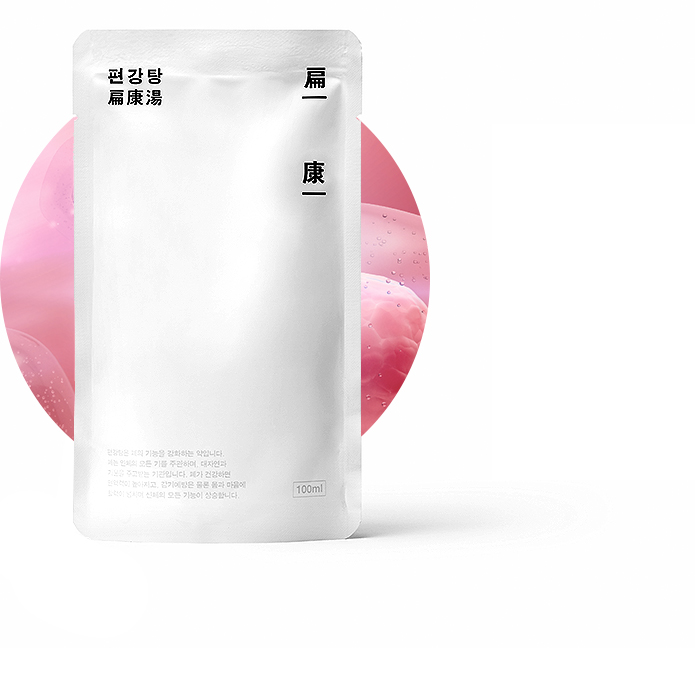
Pyunkang-tang has the same ingredients as Pyunkang-hwan.

Improves allergic constitution to normal
Pyunkang-tang extract, caused by air pollutants,
reduces excessive secretion of inflammatory respiratory sputum and
relieves bleomycin (BLM)-induced pulmonary fibrosis
Bleomycin (BLM): A substance that causes lung damage or pulmonary fibrosis
Pyunkang-tang(hwan) extract: Composed of 6 ingredients including honeysuckle flower,
liriope, codonopsis, xanthium, arborvitae, and prepared rehmannia root
SCI: Abbreviation for Science Citation Index;
SCI journal registration proves global academic recognition
Global SCI-Level International Journal JTCM
Pyunkang-tang(hwan) extract
may alleviate respiratory diseases
and pulmonary fibrosis effectively.
A research paper on Pyunkang-tang(hwan) was published in the October 2016
issue of the SCI-level international journal JTCM, receiving scientific recognition.
The study showed that hardened lung tissue improved after taking
Pyunkang-tang(hwan) extract, and that rats exposed to sulfur dioxide,
which caused increased sputum production, showed reduced sputum
secretion after administration of the extract.
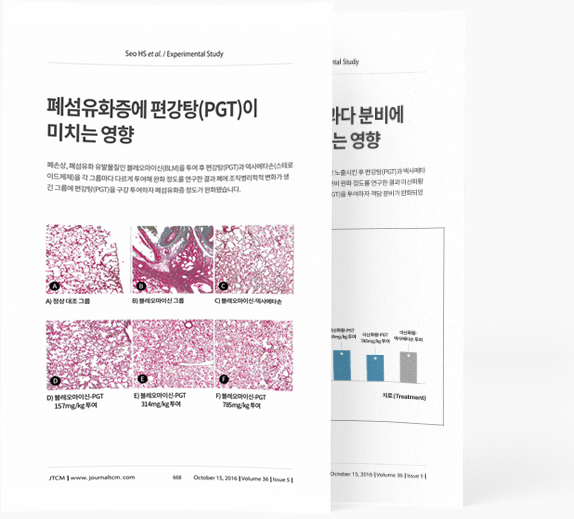
After administering bleomycin (BLM), a substance that causes lung injury and pulmonary fibrosis,
each group was treated differently with Pyunkang-tang (PGT) and dexamethasone (a steroid drug).
The study showed that in the group with histopathological changes in the lungs,
oral administration of Pyunkang-tang (PGT) alleviated the severity of pulmonary fibrosis.
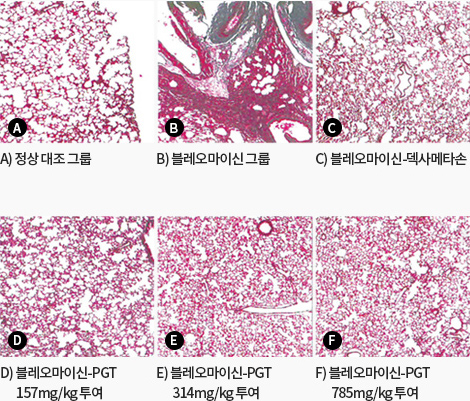
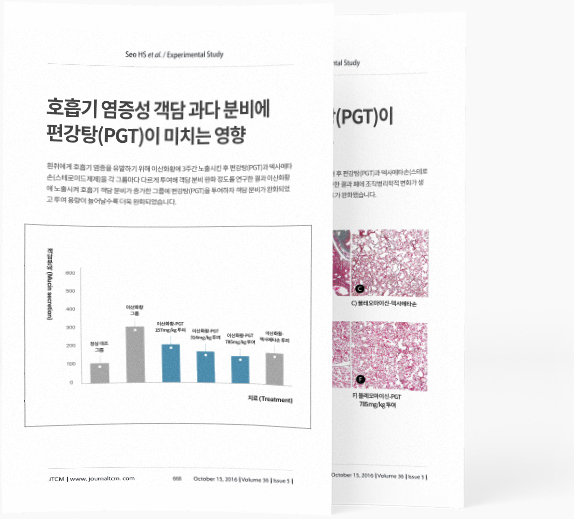
After administering bleomycin (BLM), a substance that causes lung injury and pulmonary fibrosis,
each group was treated differently with Pyunkang-tang (PGT) and dexamethasone (a steroid drug).
The study showed that in the group with histopathological changes in the lungs,
oral administration of Pyunkang-tang (PGT) alleviated the severity of pulmonary fibrosis.

Lifestyle habits that maximize treatment effectiveness
Nasal Care
Reduce environmental irritants to the nose and avoid blowing
your nose too hard, which may cause further irritation.
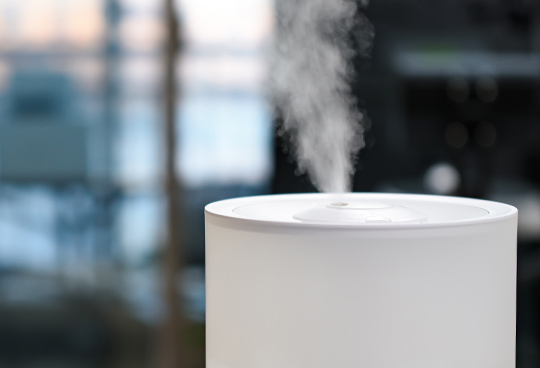
Maintain Humidity
Use a humidifier to regulate indoor humidity and drink plenty
of water to keep your airways moist.

Dietary Control
Avoid caffeinated drinks such as coffee and tea, as they can
dry out your mouth. Instead, increase your water intake.
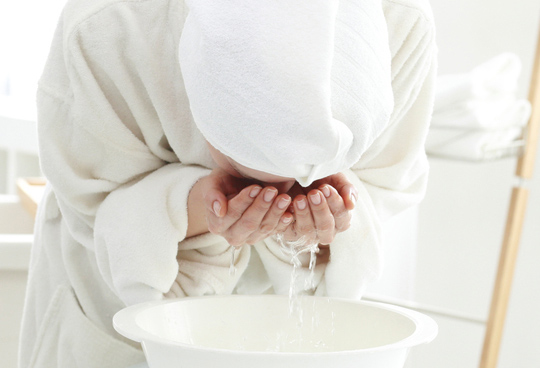
Nasal Rinse
Drink water regularly and rinse your nose 2–4 times a day
with saline solution to help prevent postnasal drip.

Remove Allergy Triggers
Avoid dust mites, pets, cold air, and pollen as much as
possible. Clear out carpets and sofas, which are common
breeding grounds for dust mites.