Good to Combine with Herbal Medicine
Introducing Daily Habits to Maximize Treatment Effects

Ventilation
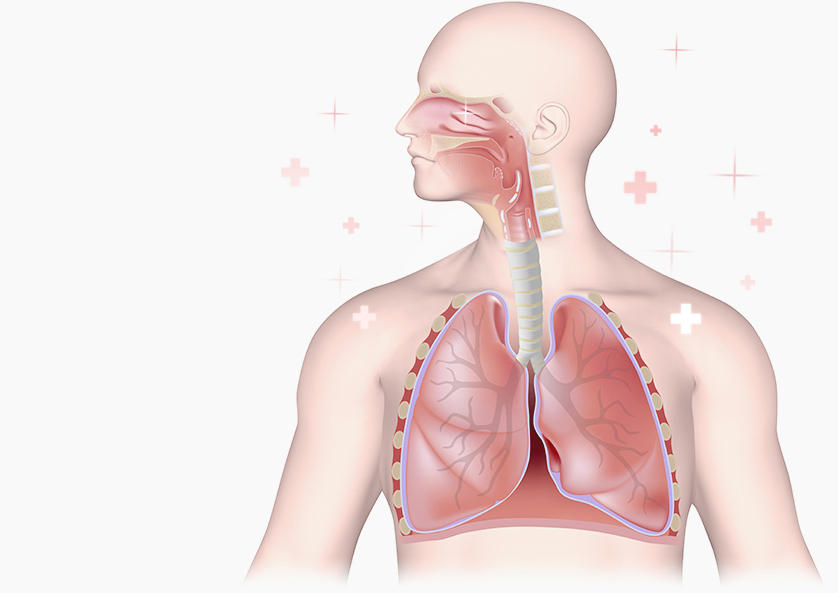
It’s good to ventilate once every three hours, and regularly ventilate
for over 30 minutes in the morning and evening. Although invisible,
various fine dust particles in the air are not filtered and can settle
in the bronchial tubes and lungs, causing rhinitis or asthma.
Maintaining Humidity
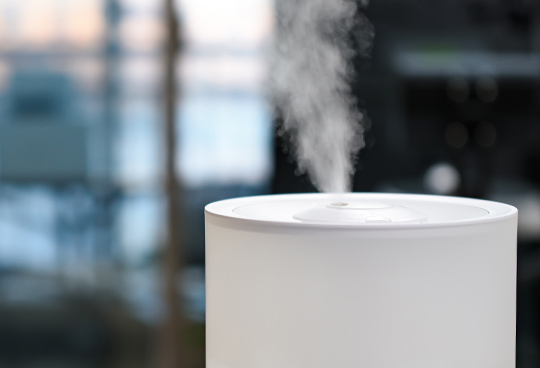
If the indoor air is too humid, the floor and walls can become damp
and mold may grow. It also increases the risk of harmful substances
in the air, such as dust mites. On the other hand, if it’s too dry,
it can lead to respiratory diseases or worsen asthma. Therefore,
maintaining a proper humidity level of around 50–60% is important.

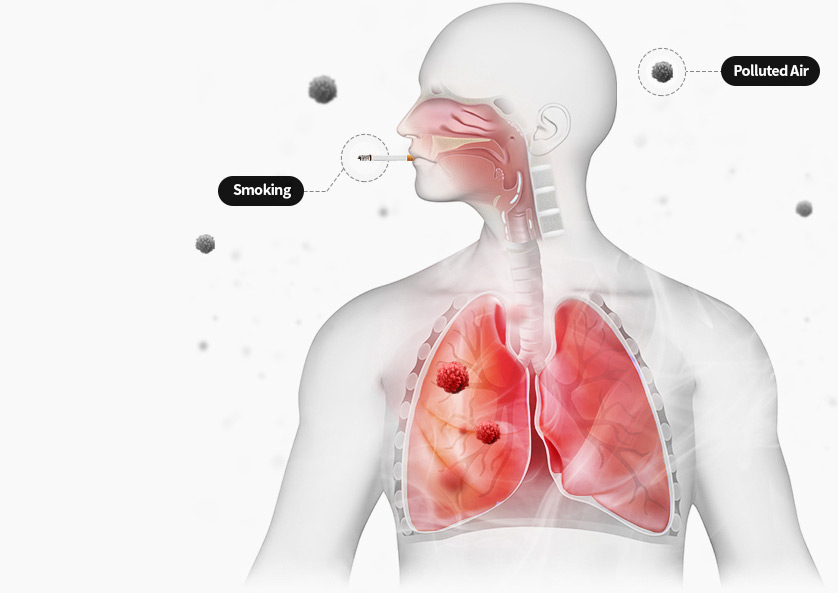
No Smoking
Worrying about lung health while smoking is like jumping into the sea
in the middle of winter and being afraid of getting your clothes wet.
Smoking itself is harmful, but secondhand smoke also causes serious
harm to those nearby.

Breathing Technique
Shallow breathing leaves carbon dioxide full of waste in the body.
Therefore, it’s important to practice deep breathing to increase
lung capacity, bring in more fresh air, and expel more of the stale
carbon dioxide.

Clean and Hygienic Environment
Dust and mites can cause respiratory diseases. By eliminating the
environments that trigger these conditions, you can lead a healthier life.